








Starting a 21-day prayer challenge might feel overwhelming, but it’s one of the most powerful ways to transform your spiritual life. Whether you’re looking to break through a dry season, build a consistent prayer habit, or simply draw closer to God, this focused time of prayer and fasting can create lasting change.
The beauty of a 21-day challenge is its biblical foundation. Daniel fasted and prayed for 21 days, seeking God’s guidance and revelation (Daniel 10:2-3). Many believers have found that this timeframe allows enough space for spiritual breakthrough while remaining manageable for busy lives.
What Makes a 21-Day Prayer Challenge Effective?
A prayer challenge isn’t just about praying more: it’s about praying with intention. During these three weeks, you’ll combine focused prayer, scripture reading, and often some form of fasting to create space for God to work in your heart.
The key difference between regular prayer and a prayer challenge is structure. Instead of random, scattered prayers throughout your day, you’ll follow a intentional plan that builds momentum and creates lasting habits.

Step 1: Define Your Purpose and Goals
Before jumping into your challenge, take time to clarify why you’re doing this. Are you seeking:
- Spiritual breakthrough in a specific area?
- Guidance for a major decision?
- Healing in relationships?
- A deeper prayer life?
- Freedom from a persistent struggle?
Write down your specific goals. This isn’t just a nice exercise: it helps you stay focused when motivation wanes around day 10. Your “why” will pull you through the harder moments.
Some people find it helpful to choose a theme verse for their 21 days. Maybe it’s Jeremiah 29:13 about seeking God with all your heart, or James 5:16 about the power of prayer. Having one anchor verse can guide your entire experience.
Step 2: Choose Your Challenge Structure
There’s no one-size-fits-all approach to a 21-day prayer challenge. Here are the most effective structures to consider:
Daily Prayer Themes Approach
Many successful challenges follow themed days. For example:
- Days 1-7: Praise and worship
- Days 8-14: Confession and repentance
- Days 15-21: Intercession and requests Or you could focus on different areas each day:
- Monday: Family and relationships
- Tuesday: Career and calling
- Wednesday: Personal growth
- Thursday: Church and community
- Friday: Nation and world
- Saturday: Gratitude and praise
- Sunday: Rest and reflection
Scripture-Based Structure
Build your challenge around a specific book of the Bible or collection of verses. Proverbs works beautifully for this since it has 31 chapters: you could pray through one chapter daily and cycle back.
Psalms is another excellent choice, particularly psalms that focus on different aspects of prayer like Psalm 23 (provision), Psalm 51 (repentance), or Psalm 91 (protection).

Step 3: Decide on Fasting Components
Fasting isn’t required for a prayer challenge, but it can significantly deepen your experience. If you’re new to fasting, start small. Here are beginner-friendly options:
Partial Food Fasts:
- Skip one meal daily
- Fast sweets and desserts
- Eliminate coffee or soft drinks
Media Fasts:
- No social media during the challenge
- Skip entertainment TV shows
- Avoid non-essential online browsing
Activity Fasts:
- Reduce shopping to necessities only
- Skip recreational activities one day per week
- Fast from complaining or negative talk
The goal isn’t to punish yourself but to create space. When you feel hungry or notice the urge to check Instagram, let it remind you to pray instead.
Step 4: Create Your Daily Routine
Consistency is key to any successful prayer challenge. Design a daily routine that fits your lifestyle but challenges you to grow.
Morning Prayer Time (15-20 minutes)
Start each day with focused prayer. This might include:
- 2-3 minutes of praise and worship
- 5 minutes reading your daily scripture
- 10 minutes of focused prayer on your theme
- 2-3 minutes of gratitude
Midday Check-in (2-5 minutes)
Set a phone reminder for a brief prayer break. This could be as simple as asking, “God, how do you want to speak to me today?” or praying for someone on your heart.
Evening Reflection (5-10 minutes)
Before bed, review your day. What did you sense God saying? How did you see Him working? What are you grateful for? Keep a simple journal if it helps you process.
Free Templates and Resources
You don’t have to create everything from scratch. Here are proven prayer challenge resources you can use:
Red Letter Challenge Approach:
Download their free PDF guide that includes daily devotions, Bible readings, challenges, and prayer prompts. Each day builds on the previous one, creating momentum throughout your 21 days.
Bible App Plans:
YouVersion offers several 21-day prayer plans you can follow on your phone. The “21 Day Prayer Challenge” plan uses the “5 P’s” framework: a structured approach to prayer that many find helpful.
Church-Based Guides:
Many churches offer free 21-day prayer guides on their websites. These often include daily scripture readings, specific prayer focuses, and practical challenges to live out your faith.
Week-by-Week Breakdown
Week 1: Foundation Building (Days 1-7)
Focus on establishing your routine and drawing near to God. Expect some resistance: your flesh won’t immediately love this new discipline. Common themes for week one include:
- Surrender and submission
- Confession and repentance
- Praise and worship
- Gratitude for God’s faithness
Week 2: Breakthrough Season (Days 8-14)
This is often when people experience the most spiritual activity. You’ve pushed through initial resistance, and God begins moving in deeper ways. Focus areas might include:
- Specific needs and requests
- Intercession for others
- Spiritual warfare and freedom
- Guidance for decisions
Week 3: Harvest and Vision (Days 15-21)
The final week is typically about receiving from God and looking forward. Many people report increased clarity, fresh vision, and deep peace during this season. Prayer focuses often include:
- Future dreams and calling
- Healing in relationships
- Wisdom for next steps
- Gratitude for the journey

Practical Tips for Success
Start Before You’re Ready
Don’t wait for the perfect time or until you have everything figured out. The best time to start is now, even if your plan isn’t perfect.
Find an Accountability Partner
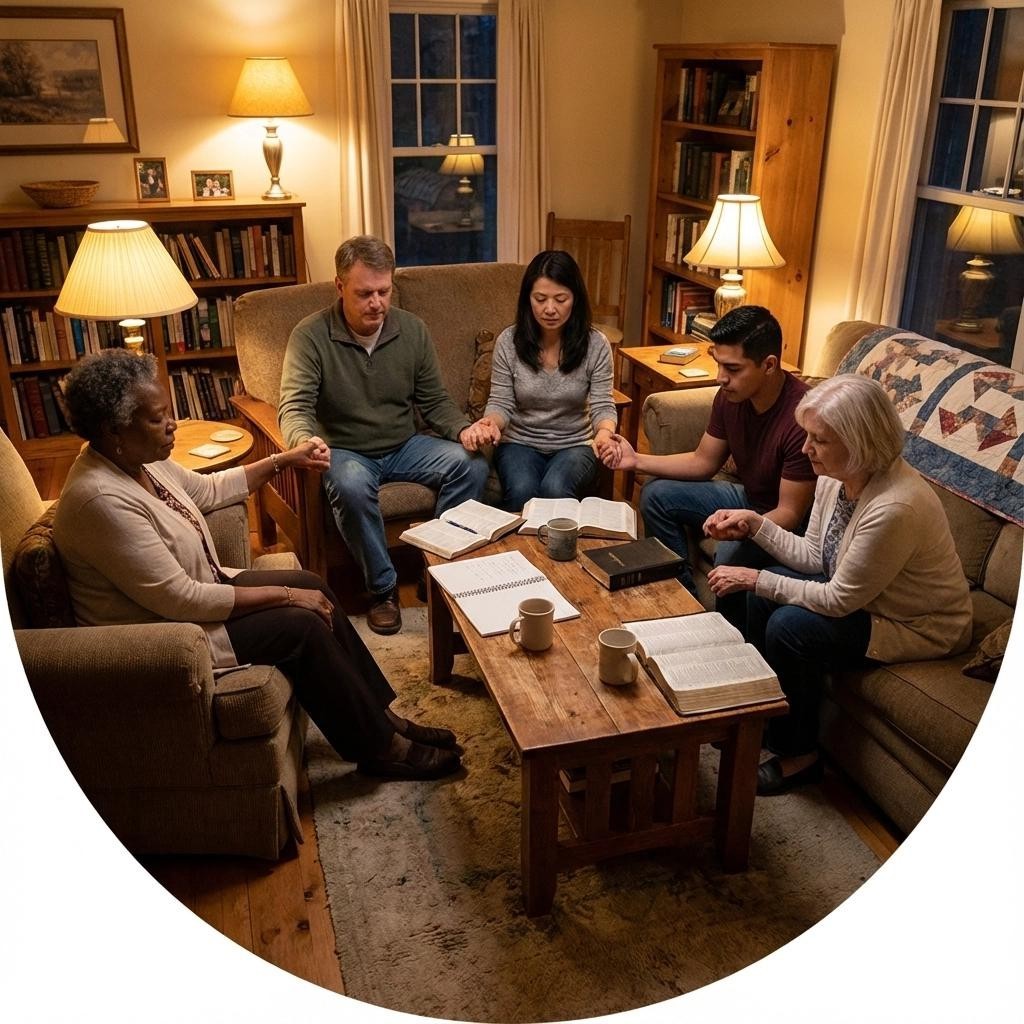
Invite a friend, family member, or small group to join you. Share daily updates, pray for each other, and encourage one another when motivation drops.
Prepare for Resistance
Around day 7-10, you might feel like quitting. This is normal. The enemy doesn’t want you drawing closer to God. Push through this resistance: breakthrough often comes right after the hardest moments.
Adjust as Needed
If you miss a day, don’t quit. If your fasting plan proves too difficult, modify it. The goal is spiritual growth, not perfection.
Document Your Journey
Keep a simple journal or voice notes on your phone. Record prayers God answers, verses that speak to you, and insights you receive. You’ll be amazed looking back at what God did.
Creating Lasting Change
The real goal of a 21-day prayer challenge isn’t just to pray more for three weeks: it’s to establish habits that continue long after the challenge ends. By day 21, prayer should feel more natural, your hunger for God’s word should be increased, and you should have a clearer sense of how He speaks to you.
Many people find that what starts as a 21-day challenge becomes a lifestyle. The structure and accountability create momentum that carries into their regular rhythm of life.
Ready to Begin?
Your 21-day prayer challenge can start as soon as tomorrow morning. Choose your structure, gather your resources, invite others to join you, and step into this season of intentional seeking. God promises that when we draw near to Him, He draws near to us (James 4:8).
The next three weeks could mark a turning point in your spiritual journey. Don’t underestimate what God wants to do in and through your life when you create space to truly seek His heart.
What’s holding you back from starting today?
Dr. Marie K.
Educator | EL Advocate | Blogger