








Let’s be honest: friendship can be complicated. We’ve all been there: the friend who only calls when she needs something, the one who gossips about others (making you wonder what she says about you), or the relationships that just fizzle out when life gets messy.
But what if there was a better way? What if we had a guide that could help us build the kind of friendships that actually last and make us better people?
Good news: we do. The book of Proverbs is packed with wisdom about relationships that’s just as relevant today as it was thousands of years ago. Think of it as God’s friendship manual: practical, honest, and surprisingly modern in its insights.
Start with the Right Foundation: Choose Carefully
The first thing Proverbs teaches us about friendship might surprise you: not everyone should be your close friend. “The righteous choose their friends carefully, but the way of the wicked leads them astray” (Proverbs 12:26).
This isn’t about being exclusive or judgmental: it’s about being wise. The people we spend the most time with shape who we become. If you’re constantly around people who complain, gossip, or make poor choices, you’ll find yourself being pulled in that direction too.
Proverbs also warns us about fair-weather friends. “Wealth brings many new friends, but a poor man is deserted by his friend” (Proverbs 19:4). We’ve all seen this play out. When someone gets a promotion, suddenly everyone wants to be their friend. But when they’re going through a rough patch? Crickets.
The lesson here isn’t to avoid successful people, but to look deeper. Are they interested in you as a person, or just what you can do for them? True friendship isn’t transactional.
What Makes a Friend Worth Having?
They Show Up When It Counts
“A friend loves at all times, and a brother is born for adversity” (Proverbs 17:17). This might be the most beautiful description of friendship in the entire Bible. Real friends don’t just love you when you’re fun to be around: they love you when you’re anxious, grieving, struggling, or just having a terrible week.
Think about your closest friendships. The ones that matter most are probably with people who’ve seen you at your worst and stuck around anyway. They’re the ones who brought you dinner when you were sick, listened to you cry over the same problem for the third time, or simply sat with you when words weren’t enough.
They Tell You the Truth (Even When It’s Hard)
Here’s where Proverbs gets really practical: “Wounds from a friend can be trusted, but an enemy multiplies kisses” (Proverbs 27:6). In other words, a real friend will tell you when you have spinach in your teeth: both literally and metaphorically.

This doesn’t mean your friends should be constantly critical or harsh. But it does mean they care enough about you to have difficult conversations. They’ll gently point out when you’re making a poor decision, when you’re being unfair to someone, or when you need to take better care of yourself.
The fake friends? They’ll just tell you what you want to hear, even when it’s not what you need to hear.
They Make You Better
“As iron sharpens iron, so one person sharpens another” (Proverbs 27:17). Good friends challenge you to grow. They inspire you to be more generous, more patient, more faithful. They celebrate your victories and push you toward your goals.
This isn’t about competition or trying to one-up each other. It’s about mutual encouragement and growth. When you’re around them, you find yourself wanting to be the best version of yourself.
The Friendship Killers
Proverbs doesn’t just tell us what good friendship looks like: it also warns us about the things that can destroy even the strongest relationships.
Gossip is Relationship Poison
“A perverse person stirs up conflict, and a gossip separates close friends” (Proverbs 16:28). Nothing kills trust faster than finding out someone has been talking about your private business behind your back.

Here’s the thing about gossip: it’s not just sharing juicy details about someone else’s life. It’s also complaining about one friend to another, sharing information that wasn’t meant to be public, or repeating things said in confidence. Even if your intentions aren’t malicious, the damage is real.
Keeping Score
“Whoever would foster love covers over an offense, but whoever repeats the matter separates close friends” (Proverbs 17:9). Healthy friendships require grace and forgiveness. When we keep bringing up past hurts or mistakes, we’re essentially holding our friends hostage to their worst moments.
This doesn’t mean we should be doormats or ignore serious issues. But it does mean we should address problems directly and then let them go, rather than stockpiling grievances to use as ammunition later.
How to Be the Kind of Friend You Want to Have
Practice Forgiveness
“Hatred stirs up strife, but love covers all offenses” (Proverbs 10:12). Friendships get messy because people are messy. Your friend will forget your birthday, say something thoughtless, or let you down when you really need them. The question isn’t whether these things will happen: it’s how you’ll respond when they do.
Forgiveness in friendship doesn’t mean pretending nothing happened. It means choosing to work through problems rather than walking away at the first sign of conflict.
Be Generous with Encouragement
“Whoever brings blessing will be enriched, and one who waters will himself be watered” (Proverbs 11:25). Look for opportunities to build up your friends. Send the encouraging text. Celebrate their wins. Show up for their big moments.
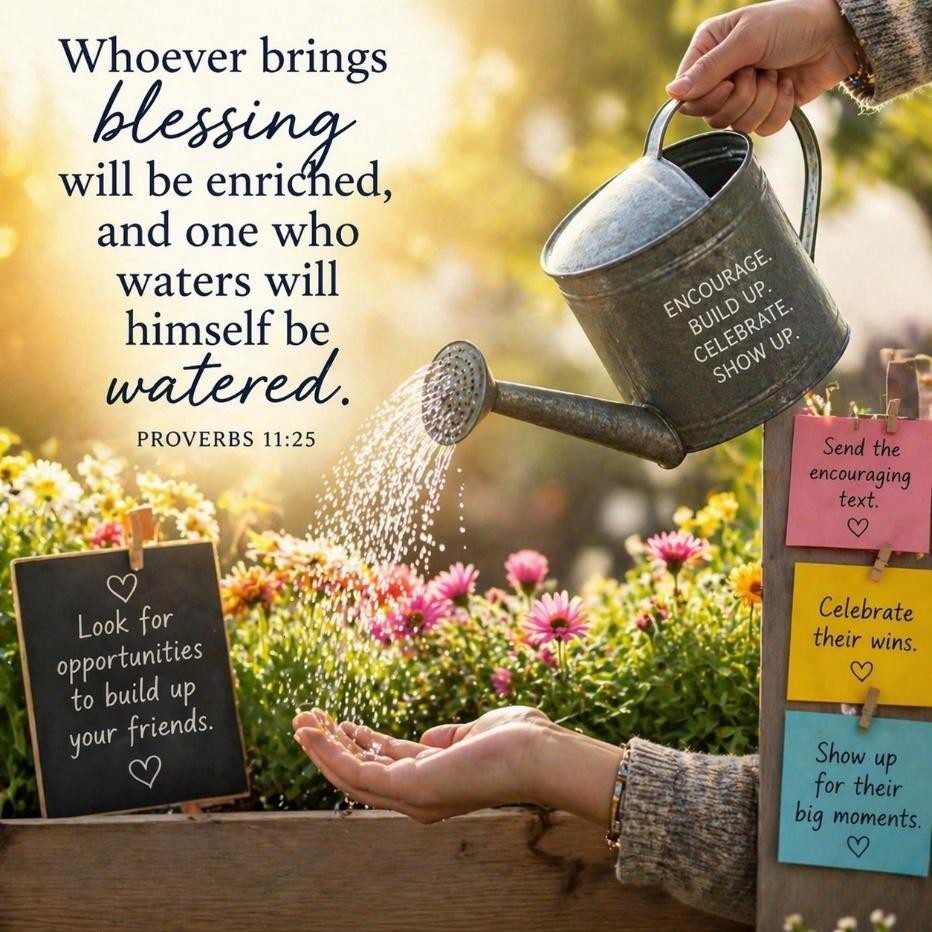
This kind of generosity creates a positive cycle. When you consistently pour into your friends’ lives, they’re naturally inclined to do the same for you.
Stay Loyal Through the Seasons
“Do not forsake your friend or a friend of your family” (Proverbs 27:10). Life changes: people get married, have kids, change careers, move to different cities. It’s easy to let friendships drift when circumstances change.
But Proverbs encourages us to fight for our relationships. Make the effort to stay connected. Be intentional about maintaining friendships even when it requires more effort.
Building Your Friendship Foundation
So where does this leave us? How do we actually build the kind of friendships Proverbs describes?
Start by being the kind of friend you want to have. Show up consistently. Practice honest, gracious communication. Choose to forgive quickly and celebrate generously. Look for ways to encourage and support the people in your life.
Be patient with the process. Deep friendships don’t happen overnight: they’re built through shared experiences, weathered storms, and countless small moments of connection.
And remember, the goal isn’t to have dozens of close friends. Proverbs 18:24 reminds us that “there is a friend who sticks closer than a brother.” Sometimes one truly faithful friend is worth more than a whole crowd of casual acquaintances.
Most importantly, ground your friendships in something bigger than just shared interests or convenience. When our relationships are rooted in faith and character, they have the strength to weather any storm.
The wisdom of Proverbs offers us a blueprint for the kinds of friendships that don’t just survive but thrive: relationships marked by loyalty, honesty, grace, and mutual growth. In a world where relationships often feel disposable, these principles offer us something much better: friendships that truly last.
Dr. Marie K.
Educator | EL Advocate | Blogger